
Philippine authorities are intensifying their focus on social media personalities promoting unlicensed online gambling operations, signaling a move towards formal enforcement actions.
Key Takeaways
- Philippine authorities are transitioning from monitoring to actively prosecuting social media influencers involved in unlicensed online gambling.
- The crackdown targets influencers using platforms like TikTok to promote unregulated crash gambling sites, potentially exposing minors.
- Legal actions may include charges under the Cybercrime Prevention Act and laws against illegal gambling.
Philippine authorities, through the Cybercrime Investigation and Coordinating Center (CICC), have escalated their efforts against social media influencers promoting unlicensed online gambling platforms. The CICC has submitted a list of these individuals to the Philippine National Police–Anti-Cybercrime Group (PNP-ACG), marking a significant shift from mere threat detection to formal enforcement. This action follows investigations by the CICC’s Threat Monitoring Center (TMC), in collaboration with Digital Pinoys, which identified a surge in unregulated gambling websites and their promotion via social media channels.
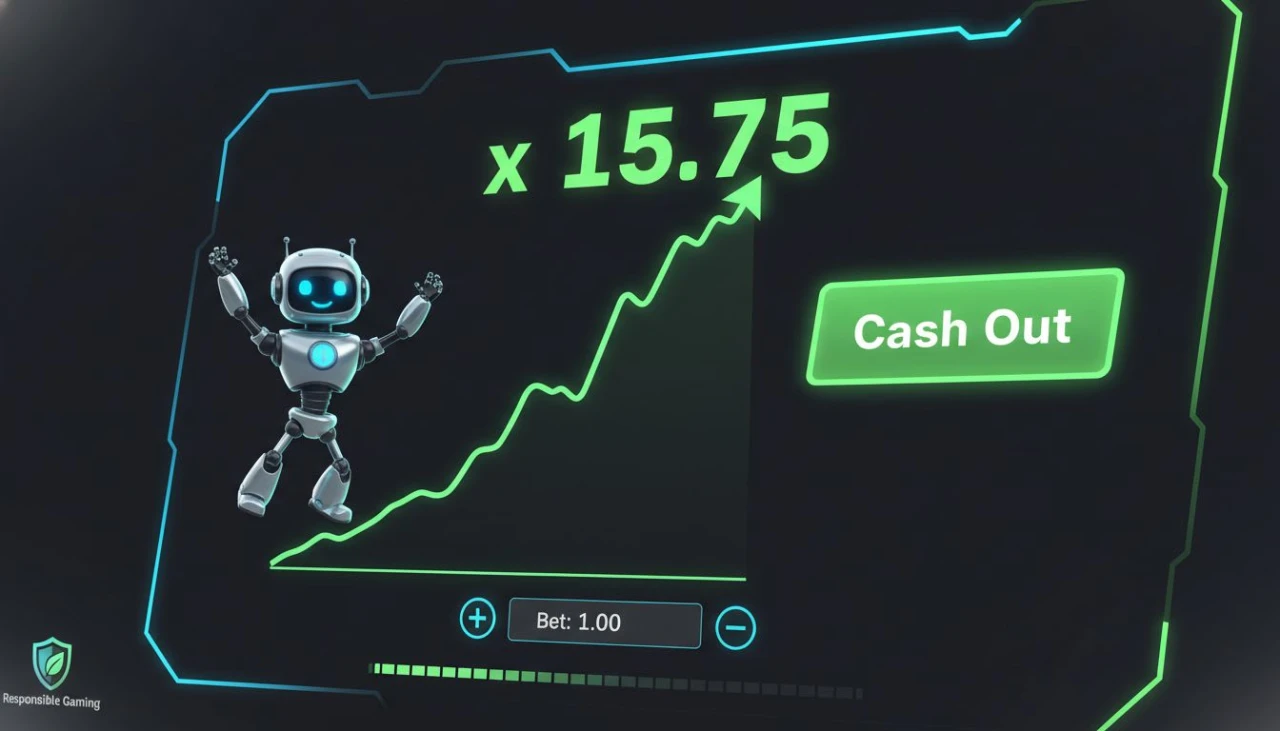
The CICC's findings indicate that these platforms operate without authorization from the Philippine Amusement and Gaming Corporation (Pagcor). Investigations revealed that influencers, some with follower counts in the millions, are allegedly used to attract users, including minors, through livestreams and referral links. This practice is particularly concerning within the context of crash gambling games, where rapid engagement can be a key draw. Previous joint operations involving Pagcor and the Philippine Charity Sweepstakes Office (PCSO) have already resulted in arrests and the dismantling of illegal gambling networks.
The current initiative represents the commencement of a formal case-building process. Potential charges for those involved could fall under the Cybercrime Prevention Act, existing laws prohibiting illegal gambling, and provisions within the Revised Penal Code. As of November 13, the TMC reported ongoing illegal gambling promotions involving 15 influencers. Among those identified are Whamos Cruz and Toni Fowler, known for their substantial followings on platforms like TikTok. The scale of their reach underscores the potential impact on a wide audience, including those susceptible to the allure of fast-paced crash games.
This intensified crackdown aims to address growing concerns about the influence of social media on gambling behaviors, especially among younger demographics. Authorities are committed to enforcing existing laws against individuals promoting illegal gambling activities, ensuring accountability for both operators and promoters within the online gaming space. The move signals a more robust approach to safeguarding the public from unregulated online gambling, a critical issue for the integrity of the broader online casino market, including crash game providers.


